
At Way Fare Weekly, we believe the modern traveler deserves more than a checklist; they deserve a roadmap to authentic connection. In 2026, travel is no longer just about the “where,” but the intentionality of the “how,” blending high-tech logistics with a deep, soulful return to nature and community preservation.

I. The Strategic Evolution: From Sustainability to Regeneration
For decades, the tourism industry spoke of “sustainability” as a defensive goal—minimizing the harm caused by human presence. In 2026, Way Fare Weekly identifies a definitive pivot toward Regenerative Tourism. This is the practice of leaving a destination objectively better than you found it, transforming the traveler from a consumer into a steward.
The Rise of “Bio-Inclusive” Stays
We are seeing a surge in accommodations that do more than just “reduce impact.” In regions like Umbria, Italy—often called the “Green Heart” and a top recommendation for late 2026—new boutique estates are integrating permaculture and reforestation into the guest experience. Travelers aren’t just staying; they are participating in biodiversity projects and soil restoration.
Verifiable Accountability
The era of vague “eco-friendly” claims is over. As of 2026, international regulations require that environmental claims be backed by transparent, third-party data. Way Fare Weekly advises travelers to prioritize operators with the EarthCheck or Biosphere Sustainable certifications, which now provide real-time updates on a property’s carbon and social impact.
II. Agentic AI: The End of Traditional Booking
The most profound technological shift we have documented is the transition from “Search” to “Action” via Agentic AI. This technology has fundamentally reshaped the distribution funnel and the traveler’s logistical experience.
Your Autonomous Travel Agent
In 2026, we have moved beyond basic chatbots. We now utilize Autonomous AI Agents that don’t just suggest flights—they evaluate them against your “stress threshold,” loyalty status, and carbon budget. These agents negotiate real-time pricing and handle complex rebookings before you even realize a delay has occurred.
Ambient Intelligence in Hospitality
Hotels are now utilizing “data fabrics” to ensure a frictionless arrival. When you enter your room, the lighting, temperature, and digital workspaces are pre-set to your known preferences. At Way Fare Weekly, we see this as the “Invisible Concierge”—a system that removes the cognitive load of travel, allowing you to focus entirely on the experience.
III. The 2026 Destination Report: Beyond the Bucket List
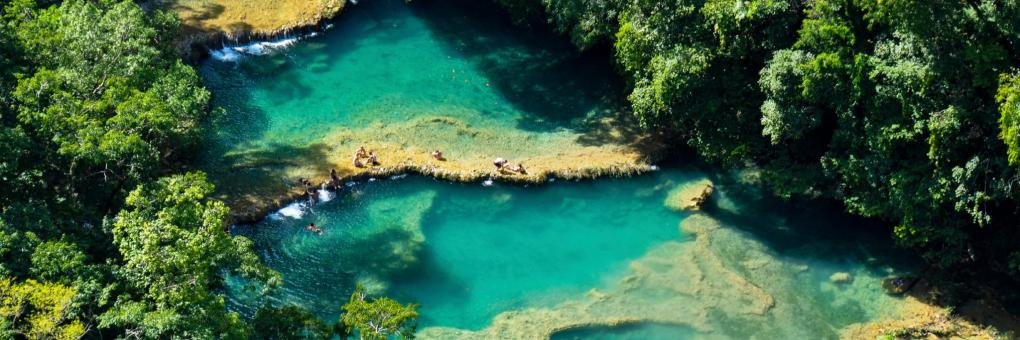
Overtourism in iconic hubs like Venice and Kyoto has forced a global re-evaluation of the “must-see” list. Way Fare Weekly has identified three key movements defining this year’s top destinations.
1. The “Coolcations” (Escaping the Heat)
With record-high temperatures in traditional Mediterranean hotspots, “coolcations” have become the premier summer strategy.
- Scandinavia: Travel to Norway and Sweden has skyrocketed by 35% in 2026, as travelers seek the “blue health” benefits of fjords and cooler climates.
- Iceland & Svalbard: These remain the gold standard for “hushpitality”—a blend of high-end service and profound, natural silence.
2. The Secondary City Surge
Instead of the “Big Three” capitals, Way Fare Weekly advocates for the “Quiet Alternatives”:
- Nagoya, Japan: Rising in the spotlight ahead of the 2026 Asian Games, it offers a blend of Ghibli Park magic and traditional Ryukyuan culture without the crowds of Tokyo.
- Zaragoza, Spain: A hub of Mudéjar architecture and Roman heritage, offering a more authentic pace than Barcelona.
- Jaffna, Sri Lanka: A beacon of untouched hospitality and deep history for the curious voyager.
3. The World Cup 2026 Influence
The FIFA World Cup across North America is creating a logistical “frenzy.” Cities like Monterrey, Mexico, and Seattle, Washington, are transforming their infrastructure. Way Fare Weekly advises booking at least nine months in advance for these regions to navigate the surge in demand.
IV. The Digital Nomad Frontier: 2026 Compliance
Remote work has matured into a global economic driver. However, the “grey area” era of working on a tourist visa is officially over. Governments are now enforcing strict compliance, and over 45 countries now offer specialized Digital Nomad Visas.
| Country | 2026 Requirement (Min. Income) | Why It Leads |
| Spain | €2,600 – €3,200/month | Top for “Inland Village” tax incentives. |
| Portugal | €3,280/month (D8 Visa) | The gold standard for path to residency. |
| Thailand | Destination Thailand Visa (DTV) | 5-year validity; best for regional flexibility. |
| New Zealand | High-Skill Focus | Ranked #1 for digital safety and 5G reliability. |
Way Fare Weekly Insight: Spain has successfully pivoted its strategy to “rural repopulation.” Small villages now offer high-speed fiber optics and coworking hubs, allowing nomads to live in historic pueblos with the same connectivity as Madrid.
V. Niche Movements: Set-Jetting and Ancestry Travel
Two psychological drivers are heavily influencing 2026 itineraries:
- Set-Jetting: Travel inspired by the media we consume. Whether it’s the landscapes of New Zealand (forever linked to Middle-earth) or the chic streets of Seoul, travelers are seeking the physical reality of their favorite cinematic worlds.
- Ancestry Travel: A deep-seated desire to visit ancestral homelands. This “heritage tourism” is driving massive growth in Ghana and Eastern Europe, as travelers seek to understand their personal history through local genealogy tours.
VI. The “Hushpitality” Trend: Wellness in 2026
After years of sensory overload, 2026 is the year of the Digital Detox. “Hushpitality” focuses on the luxury of silence and “blue health”—the psychological benefits of being near water.
- Silent Retreats: High-end resorts are now offering “no-tech” zones where signals are jammed to ensure a total mental reset.
- Island Hopping 2.0: Travelers are gravitating toward experiences like sailing in the Dalmatian Coast or the Phu Quoc islands, where the focus is on the soothing stillness of nature rather than traditional nightlife.
VII. The Smart Traveler’s Budget: 2026 Travel Hacking
Despite global inflation, Way Fare Weekly remains dedicated to the strategic explorer. Here is how we recommend managing your 2026 travel budget:
The New “Shoulder” Season
Climate change has shifted traditional seasons. May and September are no longer just “shoulder” months; they are the “Sweet Spots.” These months offer the best balance of weather and price while avoiding the extreme heat of the peak summer months.
The Sharing Economy 2.0
Home swapping has matured into a professionalized, high-security industry. For long-term travelers, Way Fare Weekly recommends verified swap platforms as the most effective way to eliminate accommodation costs while maintaining a high standard of living in premium neighborhoods.
VIII. Culinary Tourism: The Hyper-Local Revolution
Food is the soul of any journey. In 2026, Way Fare Weekly observes that “Hyper-Localism” is the rule. Travelers are seeking out “The Special One”—ingredients and dishes unique to a specific village or valley.
- Foraging Workshops: Instead of Michelin stars, travelers are seeking workshops where they can forage for ingredients with local chefs in the Italian Alps or the Amazon Basin.
- Sustainable Spirits: The rise of zero-waste distilleries and local craft beverage trails is a major draw for the eco-conscious foodie.
IX. Health and Cyber-Safety for the Modern Voyager
As we become more reliant on eSIMs and digital wallets, the risks have evolved.
- Cyber-Security: Way Fare Weekly warns that travel-specific VPNs are now mandatory. “Juice jacking” at public USB charging stations is a significant risk in 2026 transit hubs. Always use a personal power bank or a data-blocking cable.
- Insurance 2.0: Standard travel insurance has been replaced by “Parametric Insurance,” which pays out automatically based on data triggers like flight delays or extreme weather events, without the need for a long claims process.
X. Final Thoughts: The Way Fare Weekly Way
As we look toward the remainder of 2026 and into 2027, the message is clear: travel is an active, intentional choice. It is no longer enough to simply “go”; we must go with purpose. Whether you are a digital nomad setting up a remote office in Valencia, a sports fan heading to the World Cup, or a soul-seeker looking for the silence of the Norwegian fjords, your journey is a story you are co-authoring with the planet.
Way Fare Weekly is more than a guide; we are your partner in this new age of discovery. We invite you to move beyond the screen, trust your intuition even when the AI is perfect, and embrace the beautiful, unpredictable reality of global exploration.
Safe travels, and may you find your way with Way Fare Weekly.