
Travel in 2026 looks dramatically different from traditional tourism models that once focused on rushed itineraries, crowded attractions, and predictable vacation packages. Today’s travelers are prioritizing flexibility, meaningful experiences, smarter budgeting, sustainability, and personal safety. People want journeys that feel authentic and memorable rather than stressful and repetitive. Way Fare Weekly continues helping travelers adapt to these evolving travel trends by providing valuable insights that help people travel smarter, save money, and explore the world more responsibly.

Why Global Travel Behavior Is Rapidly Changing
The modern traveler has become more informed and intentional. A decade ago, many travelers simply booked popular destinations because they were trending or widely advertised. Today, travelers conduct deeper research before making decisions. They compare costs, study local cultures, analyze safety conditions, and look for destinations that match their personal travel style.
Economic uncertainty has played a major role in this transformation. Rising airfare prices, accommodation costs, and inflation have forced travelers to become more strategic. Travelers now want maximum value from every trip. Way Fare Weekly has noticed that travelers are spending more time planning because mistakes have become increasingly expensive.
Remote work opportunities have also changed tourism patterns. Professionals can now travel while maintaining their careers, which has created demand for long-term stays, coworking spaces, and destinations with strong internet infrastructure. This shift has contributed to the rise of digital nomad culture.
Social media has transformed how people discover destinations. Travelers are no longer limited to mainstream tourist cities. Instead, they are learning about hidden villages, remote islands, and underrated cities through travel creators and independent bloggers.
Environmental awareness is another major factor. Travelers are becoming more conscious of their impact on destinations and are increasingly choosing sustainable travel options.
The Rise of Slow Travel and Long-Term Exploration
One of the biggest travel trends in 2026 is slow travel. Instead of rushing through multiple countries in one week, travelers are spending more time in fewer destinations.
This allows travelers to understand local culture, discover hidden neighborhoods, and avoid the stress of constant movement. Slow travel often creates stronger emotional connections because travelers become familiar with daily life in a destination.
Why Slow Travel Creates Better Experiences
Travelers who spend more time in one destination often explore beyond major tourist attractions. They visit local markets, discover neighborhood restaurants, and build stronger relationships with residents.
These experiences feel more authentic than traditional sightseeing tours. Way Fare Weekly consistently recommends slow travel because it creates richer travel memories.
Financial Benefits of Longer Trips
Long-term accommodations often provide discounts.
Transportation expenses decrease because travelers move less frequently.
Travelers also avoid expensive last-minute bookings caused by rushed itineraries.
Hidden Destinations Are Becoming Global Favorites
Overtourism continues creating serious challenges in major tourism hotspots. Crowded attractions, expensive hotels, and declining authenticity are pushing travelers toward lesser-known destinations.
Smaller cities and rural regions are becoming increasingly attractive because they provide peace, affordability, and authentic local culture.
Southeast Asia Beyond Major Cities
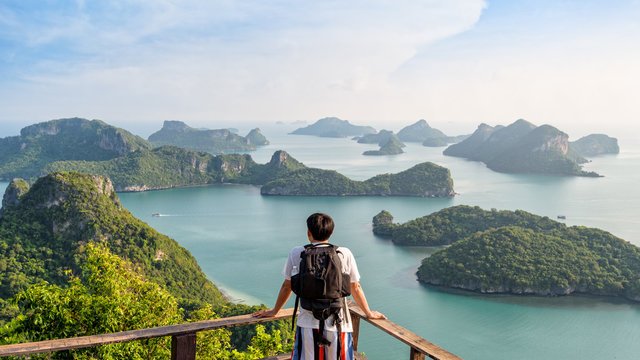
Travelers are exploring smaller islands, mountain towns, and coastal villages instead of only visiting major cities.
These destinations often provide beautiful scenery and lower costs. Way Fare Weekly frequently highlights these emerging travel destinations.
Eastern Europe’s Growing Popularity
Eastern Europe offers strong value for travelers seeking history, architecture, and culture without Western Europe’s high prices.
Many cities in the region are becoming global tourism favorites.
Africa’s Tourism Growth
Africa is seeing increased interest in safari tourism, cultural exploration, and eco-tourism experiences.
Travelers are discovering destinations that prioritize conservation and authentic experiences.
South America’s Adventure Market
South America continues attracting travelers interested in hiking, wildlife, and outdoor exploration.
Its diverse geography creates endless adventure opportunities.
Smarter Budget Travel Strategies
Budget travel has evolved significantly. Travelers now focus on strategic spending instead of sacrificing comfort.
Airfare remains one of the largest travel expenses. Flexible travel dates often unlock better prices.
Midweek departures and off-season travel usually reduce airfare costs.
Way Fare Weekly advises travelers to monitor price trends before booking.
Accommodation trends are changing rapidly. Boutique hotels, vacation rentals, and guesthouses are replacing expensive hotel chains for many travelers.
Transportation Savings
Public transportation systems continue improving worldwide.
Train passes and regional transportation cards help travelers save money.
Shared transportation services also reduce expenses.
Food Budget Management
Tourist districts often charge higher food prices.
Local neighborhoods usually provide better meals at lower costs.
Travelers who explore local restaurants often enjoy better cultural experiences.
Emergency Budget Planning
Unexpected travel disruptions happen frequently.
Emergency savings help travelers manage delays, medical situations, and transportation changes.
Technology Is Transforming Travel
Technology now influences every stage of travel planning.
Artificial intelligence helps travelers create customized itineraries.
Travel apps offer flight alerts and booking support.
Translation apps remove language barriers.
Digital airport systems reduce waiting times.
Remote Work and Digital Nomad Growth
Remote workers are increasingly traveling while maintaining careers.
Destinations with strong internet and affordable living costs are seeing rapid growth.
Way Fare Weekly expects this trend to continue growing.
Cybersecurity Risks
Public Wi-Fi and digital scams remain major concerns.
Travelers should protect personal information while abroad.
Sustainable Tourism Is Becoming Mandatory
Sustainability is no longer optional.
Travelers are increasingly choosing eco-friendly accommodations.
Airlines are investing in greener technologies.
Supporting local businesses strengthens communities.
Ethical Wildlife Tourism
Travelers are avoiding unethical animal attractions.
Conservation-focused tourism is becoming more popular.
Reducing Environmental Waste
Reusable bottles and sustainable travel gear reduce waste.
Way Fare Weekly strongly supports responsible tourism.
Luxury Travel Is Being Redefined
Luxury travel has shifted toward privacy and personalization.
Travelers now seek wellness retreats, private tours, and remote luxury destinations.
Wellness Tourism Growth
Mental health retreats are becoming increasingly popular.
Spa tourism continues expanding globally.
Luxury travelers now prioritize emotional wellness.
Travel Safety in 2026
Safety remains essential.
Travel insurance is becoming more advanced.
Travelers must research laws and local customs.
Digital document backups improve safety.
Medical Preparedness
Travelers should understand healthcare systems abroad.
Emergency medical planning remains essential.
The Rise of Travel Entrepreneurship
Travel blogging, content creation, remote consulting, and tourism entrepreneurship are creating new career paths.
Many people are building businesses around travel experiences.
Way Fare Weekly sees major growth in this sector.
Future Travel Trends
Artificial intelligence personalization will continue expanding.
Sustainability regulations may become stricter.
Long-term travel lifestyles will become more common.
Hidden destinations will continue growing in popularity.
Space tourism may gradually develop.
Final Thoughts
Travel in 2026 is smarter, safer, and more personalized than ever before. Travelers now seek meaningful experiences, stronger cultural connections, and better financial value.
From hidden destinations and sustainable tourism to technology and safety planning, global travel is evolving rapidly.
Way Fare Weekly remains committed to helping travelers navigate these changes while creating unforgettable experiences that go far beyond traditional tourism.