
Al Aqsa Times: Palestine Crisis and War Overview
Al Aqsa Times has become a widely searched topic among readers who want clear information about the Palestine crisis, the Gaza war, humanitarian suffering, and political developments in the Middle East. Across the world, millions of people follow updates related to Palestine because the conflict has affected generations of families, destroyed communities, and shaped international politics for decades.
Understanding the Palestine Crisis
The Historical Beginning
The Palestine crisis has deep historical roots that stretch back many generations. Before 1948, Palestinian Arabs lived across historic Palestine for centuries. Cities such as Jerusalem, Jaffa, Haifa, Hebron, and Gaza held strong cultural, religious, and economic importance.
However, tensions increased during the British Mandate period because of political changes, colonial policies, and rising nationalist movements. At the same time, Jewish immigration to Palestine increased significantly due to persecution in Europe and the growth of Zionist political goals.
As political disagreements intensified, violence also increased between Palestinian Arabs and Jewish groups. Consequently, the United Nations proposed a partition plan in 1947 to divide the land into separate states.
Nevertheless, many Palestinians rejected the proposal because they believed it unfairly separated their homeland and ignored the rights of the Arab population.
The Nakba and Palestinian Displacement
In 1948, the establishment of Israel led to war and the displacement of hundreds of thousands of Palestinians. Palestinians call this event the Nakba, meaning “catastrophe.”
During this period, many Palestinian families fled or were forced from their homes and villages. Consequently, millions became refugees living in Gaza, the West Bank, Jordan, Lebanon, Syria, and other countries.
Even today, refugee camps remain an important symbol of Palestinian suffering and displacement. Moreover, many families still preserve old house keys, land papers, and memories from villages they lost decades ago.
Because of this history, the refugee issue remains one of the most emotional and politically important parts of the Palestine crisis.
Why Al Aqsa Matters to Palestinians
Religious Importance
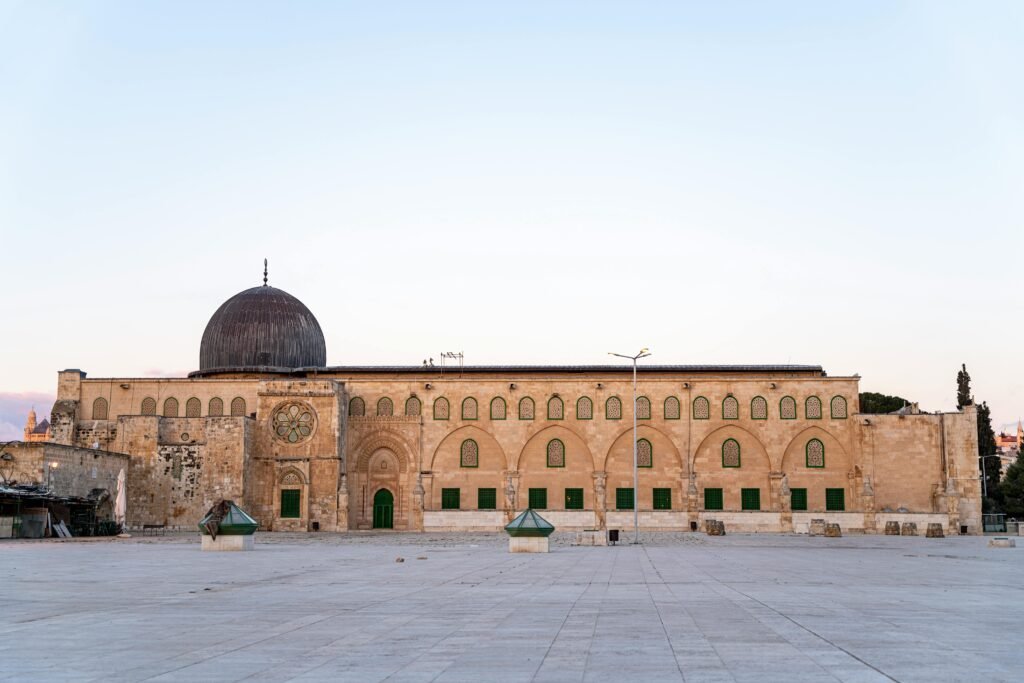
The phrase Al Aqsa Times immediately connects readers to Al Aqsa Mosque in Jerusalem. This mosque is one of the holiest places in Islam and holds enormous spiritual importance for Muslims worldwide.
Therefore, events surrounding Al Aqsa often create emotional reactions throughout the Muslim world. Whenever tensions rise in Jerusalem, protests and demonstrations frequently spread across many countries.
Political Symbolism
For Palestinians, Al Aqsa Mosque also represents identity, heritage, and national dignity. Consequently, protecting Jerusalem has become closely connected to protecting Palestinian rights and history.
Because of this emotional connection, discussions involving Al Aqsa usually extend beyond religion and enter broader conversations about freedom, sovereignty, and occupation.
Global Awareness
International media often focuses on Jerusalem because it holds importance for Muslims, Christians, and Jews alike. Therefore, developments around Al Aqsa receive worldwide attention.
At the same time, many supporters of Palestine believe Jerusalem symbolizes the broader Palestinian struggle for justice and recognition.
The Gaza Crisis
Life Under Blockade
The Gaza Strip has faced severe humanitarian challenges for many years. Border restrictions, economic isolation, military operations, and infrastructure damage have all contributed to worsening living conditions.
As a result, ordinary civilians continue facing major difficulties involving employment, healthcare, electricity, fuel, and clean water.
Many humanitarian organizations warn that Gaza’s living conditions remain extremely dangerous, especially for children and elderly civilians.
Civilian Suffering During War
Repeated wars and military escalations have caused enormous destruction across Gaza. Homes, hospitals, schools, roads, and refugee shelters have suffered heavy damage.
Consequently, many families have been displaced multiple times while trying to escape violence.
Children especially experience severe emotional trauma because they grow up surrounded by fear, destruction, and uncertainty. Furthermore, thousands of young Palestinians have lost family members during military operations.
Because of these conditions, humanitarian agencies continue demanding stronger civilian protection.
Food and Medical Shortages
Food shortages remain one of Gaza’s biggest humanitarian problems. During periods of conflict, aid delivery often becomes extremely difficult because roads, checkpoints, and border crossings may close.
As a result, hospitals frequently struggle with shortages of medicine, medical equipment, and fuel for emergency services.
Moreover, many families depend heavily on humanitarian organizations for food and clean water support.
The Political Issues Behind the Conflict
Occupation and Territory
One of the central political issues involves Israeli control over Palestinian territories. After the 1967 war, Israel occupied the West Bank, East Jerusalem, and Gaza.
Although Gaza later came under Palestinian administration, restrictions on movement and trade continued affecting the territory.
Meanwhile, the West Bank remains heavily affected by military checkpoints, settlement expansion, and security restrictions.
Consequently, many Palestinians believe they cannot live freely or independently under current political conditions.
The Settlement Issue
Israeli settlements in the West Bank remain highly controversial. Palestinians argue that settlement expansion reduces land available for a future Palestinian state.
At the same time, many international organizations criticize settlement growth because it complicates peace negotiations.
Therefore, settlements continue becoming one of the largest obstacles to long term political solutions.
The Question of Palestinian Statehood
Palestinians continue demanding an independent state with East Jerusalem as its capital.
However, disagreements involving borders, refugees, security, settlements, and political authority have prevented lasting agreements.
Despite these difficulties, many world leaders still support a two state solution as the most realistic path toward peace.
Recent Palestine War Developments
Escalation in Gaza
Recent years have witnessed intense military escalation in Gaza. Airstrikes, armed clashes, civilian casualties, and infrastructure destruction have dominated international headlines.
Consequently, humanitarian conditions have become even worse.
Entire neighborhoods have suffered destruction, while many civilians continue searching for shelter and safety.
Humanitarian Emergency
Humanitarian agencies repeatedly warn that Gaza faces a severe emergency involving food insecurity, medical shortages, and displacement.
Because of damaged infrastructure, hospitals often operate under extremely difficult conditions.
At the same time, aid organizations continue requesting unrestricted humanitarian access for civilians trapped inside conflict areas.
Ceasefire Attempts
Several international mediators have attempted to negotiate temporary ceasefires between both sides.
However, ceasefires frequently remain fragile because violence and political disagreements continue.
Nevertheless, humanitarian organizations consistently call for long term peace and stronger protection for civilians.
The Role of Journalism in Palestine
Why Independent Reporting Matters
Supporters of Palestine often believe Palestinian suffering receives limited international attention. Therefore, independent journalism plays an important role in sharing stories from Gaza and the West Bank.
In this context, Al Aqsa Times represents the importance of highlighting Palestinian voices, experiences, and humanitarian realities.
Rather than focusing only on political leaders, many readers want information about ordinary civilians affected by war and displacement.
Digital Media and Global Awareness
Social media has transformed how people follow the Palestine crisis. Videos, photos, eyewitness reports, and live updates now spread rapidly worldwide.
As a result, younger generations have become more aware of Palestinian issues than previous generations.
Moreover, digital activism has helped increase international discussions about human rights and humanitarian protection.
Challenges Faced by Journalists
Journalists reporting from Gaza often face dangerous conditions while documenting events on the ground.
Despite these risks, reporters continue covering civilian experiences, destruction, and humanitarian conditions.
Consequently, war journalism remains essential for global awareness and historical documentation.
Global Support for Palestine
International Protests
Public support for Palestine has grown significantly across many countries. Large demonstrations supporting Palestinian civilians have taken place in major cities worldwide.
People from different backgrounds continue joining marches demanding ceasefires and humanitarian aid for Gaza.
Consequently, global awareness about Palestinian suffering continues expanding.
Student Activism
University students have become major voices supporting Palestine. Campus protests, awareness campaigns, and educational discussions now occur regularly in many countries.
Students often argue that humanitarian protection and human rights should remain central concerns in global politics.
Therefore, youth activism continues shaping international conversations surrounding Palestine.
Humanitarian Campaigns
Charities and humanitarian organizations continue raising funds for medical aid, emergency food support, and refugee assistance.
Because many civilians depend heavily on humanitarian relief, international donations remain extremely important.
At the same time, volunteer doctors, journalists, and aid workers continue sharing stories from Gaza with the wider world.
Palestinian Culture and Identity
The Strength of Palestinian Society
Despite decades of hardship, Palestinian society remains deeply connected to culture, family, and community.
Traditional music, poetry, embroidery, and storytelling continue preserving Palestinian identity across generations.
Moreover, cultural resistance has become an important part of Palestinian survival.
Education and Hope
Education remains highly valued among Palestinians. Even during conflict periods, students continue pursuing learning despite enormous challenges.
Teachers, journalists, and volunteers frequently work under difficult conditions while continuing to serve their communities.
Consequently, education remains a symbol of hope and resilience.
The Palestinian Diaspora
Millions of Palestinians now live outside historic Palestine because of displacement and refugee conditions.
Nevertheless, diaspora communities continue supporting Palestinian culture, humanitarian causes, and political awareness worldwide.
Because of this global connection, the Palestine issue remains internationally visible.
Conclusion
Al Aqsa Times represents far more than a phrase connected to news or politics. Instead, it symbolizes Palestinian resilience, humanitarian awareness, truth telling, and the global demand for justice.
For decades, Palestinians have faced displacement, war, occupation, economic hardship, and political instability. Nevertheless, Palestinian identity remains strong through culture, education, journalism, and community solidarity.
The Gaza crisis has highlighted the devastating impact of war on civilians, especially children and refugee families. Homes, hospitals, schools, and entire neighborhoods have suffered destruction. At the same time, humanitarian organizations continue warning about food shortages, medical emergencies, and displacement.