
Sharp Iran News and Rising Gulf Region Tensions
The Middle East continues facing political uncertainty, security pressure, and growing regional rivalry. Therefore, global audiences closely follow Iran News to understand the latest developments in the Gulf region. In recent years, tensions between Iran, the Gulf Arab states, Israel, and the United States have increased sharply. Consequently, concerns about military conflict, energy security, and economic stability have become more serious
Understanding Gulf Region Tensions
Why the Gulf Region Is Important
The Gulf region includes several politically and economically important countries. These nations control major oil reserves, shipping routes, and trade connections. Therefore, stability in the region directly affects the global economy.
Moreover, the Strait of Hormuz remains one of the world’s most critical waterways. A large percentage of global oil exports pass through this narrow route every day. Consequently, any political tension near the Strait quickly influences international energy prices.
Iran’s Strategic Position
Iran holds a strong geographic position near the Persian Gulf and the Strait of Hormuz. Because of this, Iran plays a major role in regional politics and security discussions.
At the same time, Iran continues expanding regional influence through political alliances, military partnerships, and diplomatic cooperation. Therefore, neighboring countries closely monitor every major development in modern Iran News.
Iran News: Rising Political Tension in the Gulf
Regional Rivalries
Several regional rivalries continue increasing political pressure across the Gulf.
Iran and Gulf Arab States
Iran has experienced political disagreements with several Gulf Arab governments over regional influence, military activity, and ideological differences.
Meanwhile, Gulf countries such as Saudi Arabia and the United Arab Emirates continue strengthening defense partnerships with Western allies. Consequently, regional competition has intensified.
Influence in Regional Conflicts
Iran maintains political and military relationships with groups and governments in Iraq, Syria, Lebanon, and Yemen. Iranian officials describe these alliances as necessary for regional security and resistance against foreign pressure.
However, some Gulf governments believe Iran’s regional activities increase instability.
Diplomatic Changes in the Region
Despite ongoing tension, some diplomatic improvements have recently appeared.
For example, Iran and Saudi Arabia restored diplomatic relations after years of political conflict. Consequently, many observers hoped this development would reduce regional hostility.
Nevertheless, security concerns and military competition still remain serious issues.
Iran News: Military Activity and Security Concerns
Increased Naval Presence
Several countries have increased naval operations in Gulf waters.
The United States, Britain, and regional allies continue monitoring important shipping routes to protect commercial vessels and energy supplies.
Meanwhile, Iran regularly conducts naval exercises to demonstrate military readiness and regional influence.
Missile and Drone Capabilities
Modern military technology has changed regional security calculations.
Iran’s Defense Programs
Iran has developed missile and drone technology over many years. Iranian officials argue these defense systems protect national sovereignty and prevent foreign aggression.
Consequently, Iran’s military capabilities remain central to international security discussions.
Regional Defense Systems
Gulf countries have also expanded military spending and defense partnerships. Therefore, advanced missile defense systems and air defense technologies continue growing across the region.
Iran News: Role of the United States in Gulf Tensions
American Military Presence
The United States maintains military bases and naval forces throughout the Gulf region.
Washington argues that this presence helps protect allies, secure trade routes, and maintain regional stability.
However, Iran strongly criticizes long-term foreign military presence near its borders.
Sanctions and Economic Pressure
Economic sanctions remain one of the most important issues in current International News
The United States has imposed sanctions targeting Iran’s banking sector, oil exports, and international trade networks. According to Washington, these sanctions aim to pressure Iran over nuclear activities and regional policies.
Meanwhile, Iran argues the sanctions unfairly harm ordinary citizens and economic development.
Diplomatic Negotiations
American officials continue supporting diplomatic negotiations regarding Iran’s nuclear program and regional security issues.
Although talks have faced many challenges, diplomacy still remains an important option for reducing tension.
Iran News: Oil Markets and Economic Impact
Global Oil Prices
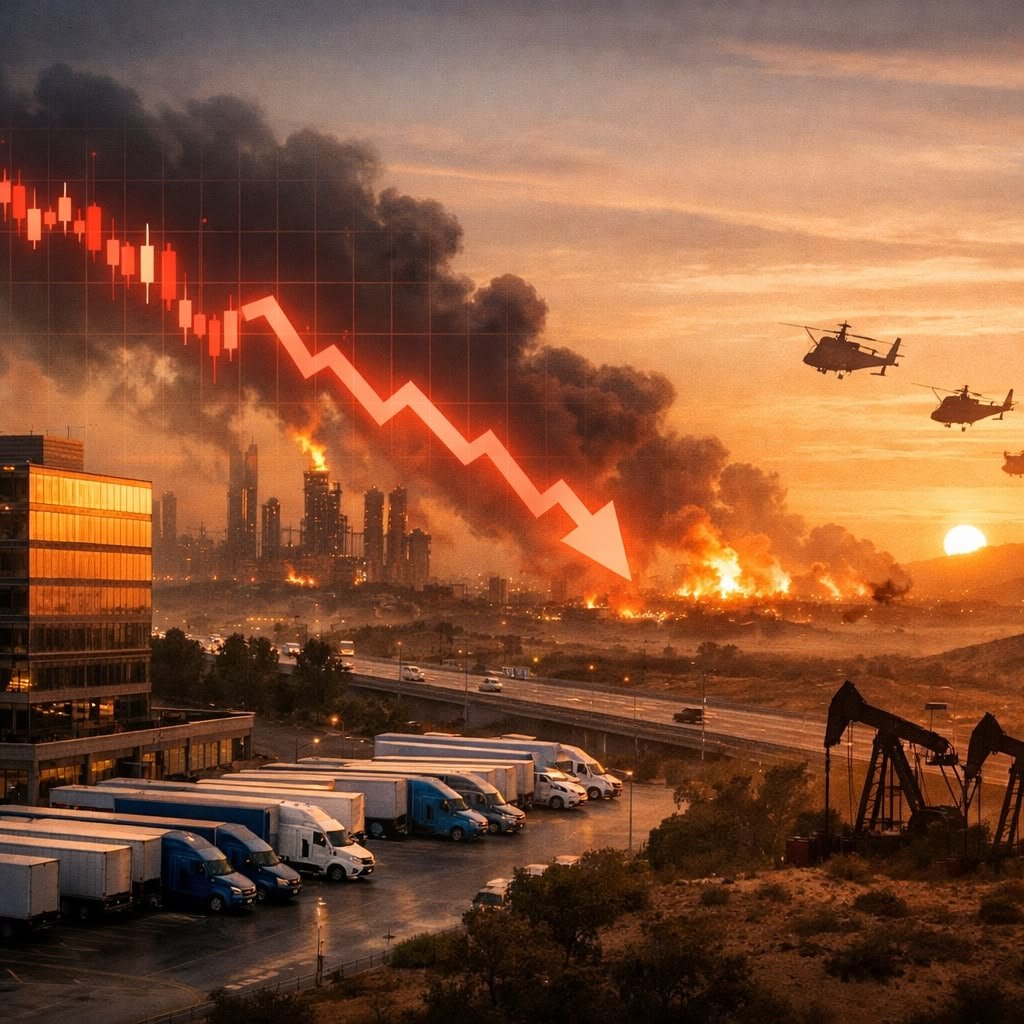
Political instability in the Gulf region often causes sudden changes in oil prices.
Whenever military incidents or security threats increase, international energy markets react quickly. Consequently, businesses and governments worldwide closely monitor regional developments.
Impact on Gulf Economies
Several Gulf countries depend heavily on oil exports and energy investments.
Therefore, long-term instability could affect economic growth, infrastructure projects, tourism, and foreign investment.
Iran’s Economic Challenges
Iran continues facing inflation, currency pressure, and trade restrictions.
Inflation and Cost of Living
Economic sanctions and international pressure have increased inflation inside Iran. Consequently, many citizens face rising prices for food, housing, transportation, and healthcare.
Trade and Banking Restrictions
International banking restrictions have complicated trade and investment opportunities.
However, Iran continues expanding partnerships with Asian markets and neighboring countries.
Nuclear Issues and International Concern
Iran’s Nuclear Program
Iran states that its nuclear activities support peaceful scientific research and energy production.
However, several Western governments and Israel remain concerned about possible military applications.
As a result, nuclear discussions continue to shape major Iran News coverage.
International Negotiations
World powers have attempted several diplomatic agreements aimed at limiting Iran’s nuclear activities.
Although some progress occurred in earlier negotiations, political disagreements later complicated implementation.
Therefore, future negotiations remain uncertain.
Regional Security Risks
Many experts fear that failure in diplomacy could increase military risks across the Gulf region.
Consequently, international organizations continue encouraging peaceful solutions.
Iran News: Media Coverage and Information Competition
Different Political Narratives
Media organizations across the world often describe Gulf tensions differently.
For example, Iranian media frequently emphasize resistance against foreign pressure, while Western media focus more on regional security concerns.
Therefore, readers should compare information from multiple reliable sources.
Social Media Influence
Social media now plays an important role in political communication.
Governments, journalists, analysts, and activists all use online platforms to influence public opinion. However, misinformation can spread quickly during political crises.
Consequently, fact-checking remains extremely important.
Iran News: Israel and Gulf Security Concerns
Israel’s Regional Strategy
Israel closely monitors Iran’s regional activities and military development.
Israeli leaders believe Iranian influence and missile programs create major security threats. Therefore, Israel continues strengthening intelligence operations and defense partnerships.
Gulf Cooperation with Israel
Several Gulf countries have improved diplomatic relations with Israel in recent years.
These agreements expanded economic cooperation, technology partnerships, and security coordination.
However, the Palestinian issue and regional political disagreements still create challenges.
Humanitarian and Civilian Concerns
Fear Among Civilians
Rising political tension creates fear among ordinary people living across the Gulf region.
Families worry about economic uncertainty, military escalation, and future stability.
Therefore, peaceful negotiation remains important for civilian safety.
Refugee and Humanitarian Risks
Large-scale regional conflict could create humanitarian crises and population displacement.
Consequently, international organizations continue calling for diplomatic restraint.
Diplomatic Efforts to Reduce Tension
Regional Dialogue
Several countries continue supporting diplomatic communication between Iran and Gulf governments.
Qatar, Oman, Turkey, and China have all encouraged peaceful regional dialogue.
Moreover, many experts believe communication can reduce misunderstanding and military risk.
Economic Cooperation
Economic cooperation may also improve long-term regional stability.
Trade partnerships, infrastructure projects, and energy agreements could strengthen peaceful relations between neighboring countries.
Therefore, many leaders support balanced diplomatic engagement.
Iran News: Future of Gulf Region Politics
Possibility of Continued Tension
Political competition in the Gulf region will likely continue for many years.
Military influence, energy security, regional alliances, and ideological differences remain deeply connected to regional politics.
Consequently, future Iran News will continue focusing on diplomacy, military developments, and economic pressure.
Hope for Stability
Despite current challenges, many governments and citizens still hope for greater regional stability.
Peaceful relations could improve education, trade, tourism, and economic growth throughout the Middle East.
Therefore, diplomatic solutions remain more beneficial than military confrontation.
Global Importance of Gulf Region Developments
International Trade Routes
The Gulf region controls several important trade and shipping routes.
Because of this, political instability can affect global supply chains and transportation systems.
Energy Security
The region also remains essential for global energy security.
Consequently, countries worldwide closely monitor every major political and military development.
International Diplomacy
Middle Eastern politics also influence international diplomatic relationships.
Global powers regularly discuss Gulf security during international meetings and strategic negotiations.
Therefore, regional developments continue affecting world politics.
Conclusion
The Gulf region remains one of the world’s most politically sensitive areas. Consequently, international audiences continue following Iran News to understand rising tension, military activity, and diplomatic developments.
Iran’s regional influence, military capabilities, nuclear discussions, and political alliances all contribute to growing Gulf security concerns. Meanwhile, Gulf Arab states, Israel, and the United States continue strengthening strategic partnerships and defense planning.